How do Restricted Return Air Pathways Affect Furnace Safety Controls?
A furnace depends on steady airflow to operate within a safe temperature range. While many homeowners focus on burners, thermostats,
A furnace depends on steady airflow to operate within a safe temperature range. While many homeowners focus on burners, thermostats,
A closed-loop hydronic heating system may look calm from the outside, but inside the piping, water is constantly changing in

Cast iron drain piping can remain in service for decades, which is why many older homes and buildings still rely

A residential water heater works quietly in the background, so problems inside the tank often go unnoticed until hot water

A boiler can generate enough heat and maintain a stable flame, yet still leave parts of a home feeling underheated.
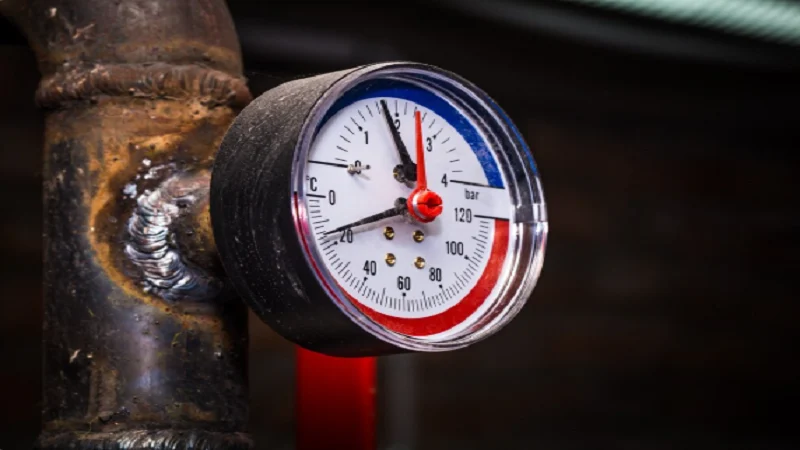
A boiler can still produce heat even as the surrounding system struggles to deliver it evenly. Rooms may warm slowly,

A furnace is running normally right up until it shuts the burners down without warning. That interruption often feels random

Modern gas furnaces rely on a precisely timed ignition sequence, and even a small disruption can halt the entire heating

High-efficiency gas furnaces depend on a sequence of controls that must respond in the right order before heat is delivered.

A forced-air heating and cooling system is supposed to distribute conditioned air evenly enough in each room to keep the