
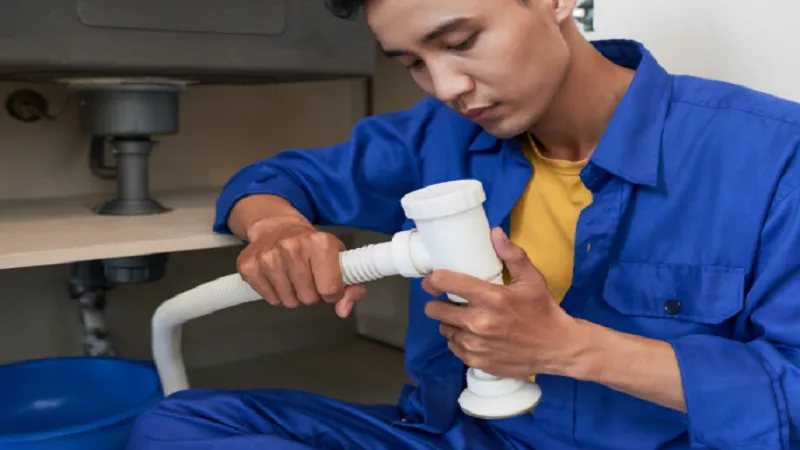
Water pressure is often treated as a simple number, but what matters just as much is whether it stays steady during real use. A home can show a normal reading at a hose bib and still have unstable pressure that surges, dips, or oscillates when a toilet fills, a washer runs, or multiple fixtures open at once. Plumbing professionals inspect pressure stability because unstable pressure can damage appliances, stress pipe joints, worsen leaks, and create frustrating comfort problems like scalding temperature swings in showers. Stability testing also reveals hidden issues, such as failing pressure-reducing valves, waterlogged expansion tanks, partially clogged lines, and municipal supply fluctuations. By tracking how pressure changes over time, plumbers can connect symptoms to causes and prevent minor problems from becoming costly failures.
What pressure stability checks uncover
- Protecting piping, fixtures, and appliance components
Stable pressure protects the physical plumbing system in ways homeowners rarely see. Sudden spikes can increase strain on solder joints, threaded fittings, and valve cartridges, especially in older homes where materials may already be fatigued. Even if a pipe does not burst, repeated surges can loosen connections and cause small seepage leaks behind walls, under sinks, or at water heater nipples. High or unstable pressure can also shorten the life of appliance solenoids and fill valves in dishwashers, ice makers, washing machines, and toilets. In shower valves, pressure swings may cause abrupt temperature changes because the mixing cartridge reacts to shifting hot and cold supply conditions. Plumbers inspect stability to reduce these stresses and confirm that safety components are performing as intended. They check whether pressure remains within a safe operating range during typical household activities, not just at a single moment. If pressure rises when the system is idle, it can signal thermal expansion issues or a stuck regulator that allows pressure to creep upward, both of which can cause hidden damage over weeks and months.
- Identifying regulator, expansion, and supply problems
Many pressure stability issues stem from control components that govern how water behaves as conditions change. A pressure-reducing valve can wear internally, so it no longer maintains a steady downstream pressure, causing hunting, where pressure fluctuates as flow changes. Plumbers test this by taking readings at rest and under load, then observing how quickly the pressure recovers after the fixtures close. Thermal expansion is another common driver, particularly in closed systems with backflow-prevention check valves. When a water heater cycles, heated water expands, and if there is no properly charged expansion tank, pressure can rise sharply between uses. That pressure may look fine while water is running, but it can spike when everything shuts off, which is why stability testing includes both flow and no-flow conditions. Some plumbers also use a recording gauge that logs pressure over hours to capture intermittent surges that happen at night or during municipal pump changes. Homeowners often begin their search at https://abendplumbingandheating.com/ when they notice banging pipes or shower swings, and a stability inspection helps confirm whether the root cause is regulator drift, expansion pressure, or inconsistent street supply.
- Catching restrictions and demand imbalances inside the home
Pressure instability is not always about high pressure or failing controls; sometimes it is about flow restriction that causes pressure to drop sharply during demand. Plumbers look for partially closed shutoff valves, clogged aerators, sediment in angle stops, and corroded galvanized sections that narrow the pipe’s inside diameter. A home may have adequate static pressure but poor dynamic pressure, meaning the pressure collapses when water starts moving because the piping cannot supply enough flow. This shows up as a shower that weakens when a toilet fills, or a kitchen faucet that pulses when the dishwasher runs. Professionals test multiple fixtures and compare results across hot and cold lines to isolate whether the issue is localized or whole-house. They also consider how the plumbing is laid out. Long runs, undersized branches, and too many fittings can create high friction loss, while poorly balanced manifolds can cause some zones to starve when others are active. Pressure stability testing helps reveal these patterns, so the fix is targeted, such as replacing a failing angle stop, flushing a clogged line, or correcting a restriction at the meter or main shutoff.
Quality Plumbing Supply is your trusted source for high-quality plumbing fixtures, tools, and accessories. With an extensive range of products and expert service, Quality Plumbing Supply makes it easy for both professionals and DIY enthusiasts to find what they need. Their commitment to quality, value, and customer satisfaction sets them apart in the plumbing supply industry.
Stable pressure prevents costly damage.e
Plumbing professionals inspect water pressure stability because steady pressure protects pipes, fixtures, and appliances from repeated stress caused by surges, drops, and pressure creep. By testing both static and dynamic conditions, they can identify failing regulators, thermal expansion problems, and inconsistent supply behavior that a one-time reading would miss. Stability checks also uncover restrictions within the home that cause pressure collapse under demand, as well as conditions that contribute to water hammer and vibration. The results guide practical corrections such as regulator adjustment or replacement, expansion tank service, clearing restrictions, and improving system support. When pressure stays consistent through everyday use, showers feel safer, valves last longer, and hidden leaks are less likely to develop. Pressure stability is not just a comfort metric; it is a reliability check for the entire plumbing system.