
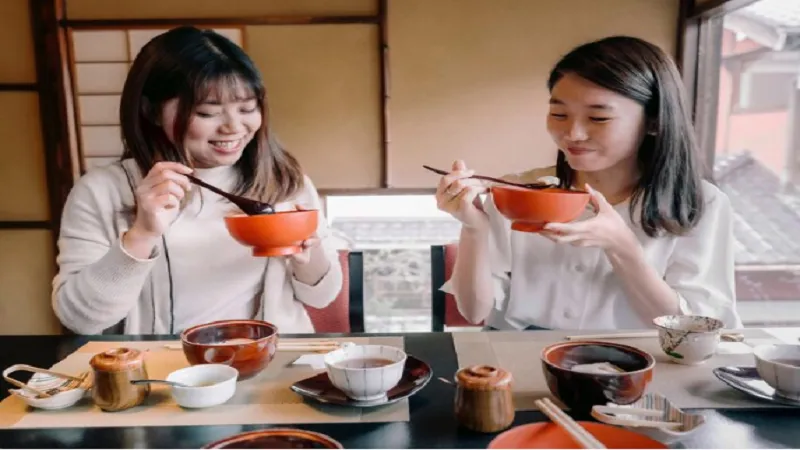
For anyone starting to learn Chinese online or working with a Chinese teacher, understanding Chinese breakfast can provide a fun way to understand daily life in China. Yes, Chinese breakfast differs dramatically from the toast and cereal common in Western countries! Bread generally is not considered actual food but is more a snack (most bread in Chinese is therefore sweet, cake-like).
Firtsly, the fundamental divide in Chinese breakfast culture follows the geographic line between north and south. Northern regions, where wheat grows abundantly, favor wheat-based foods for breakfast. Southern regions, where rice cultivation dominates, prefer rice-based dishes. In northern China, breakfast tends to be substantial and warming. The most iconic northern breakfast item is jianbing, a savory crepe made on a large griddle. Vendors spread batter thinly across the hot surface, crack an egg onto it, sprinkle scallions and cilantro, add crispy crackers or fried wonton, then fold the entire creation into a portable package. Sauces like sweet bean paste and chili oil provide flavor.
Baozi, or steamed buns, represent another main staple. They are soft, fluffy buns with various fillings inside including beef, vegetables, or sweet bean paste etc. The dough is made from wheat flour, allowed to rise, filled, shaped, and steamed in bamboo baskets. The result is a pillowy exterior containing juicy filling! Baozi can be eaten on the go, making them practical for busy mornings.
Southern China presents a markedly different breakfast landscape centered on rice. Congee, called zhou in Chinese, is the quintessential southern breakfast dish. This rice porridge requires long, slow cooking until rice grains break down into a smooth, creamy consistency. Guangdong and Hong Kong have developed breakfast into an art form through dim sum culture. The practice of “yum cha,” literally drinking tea, involves gathering at teahouses to enjoy small portions of various dishes served in bamboo steamers. Rice noodles dominate breakfast in certain southern regions. Guilin in Guangxi province is famous for its rice noodle soup, served in rich broth with toppings like braised beef, pickled vegetables, and peanuts. Yunnan province offers its own rice noodle variations, often served in spicy broths.
Shanghai breakfast culture blends northern and southern influences due to the city’s position between the two regions. Cifantuan represents a uniquely Shanghainese creation—sticky rice wrapped around fillings like youtiao, pickled vegetables, and pork floss, formed into a portable cylinder. The combination of textures, from sticky rice to crunchy youtiao, creates an appealing contrast.
Soy milk appears throughout China as a breakfast beverage. Fresh soy milk is made by soaking soybeans overnight, grinding them with water, boiling the mixture, and straining out solids. The result is a creamy, protein-rich drink that can be served sweet or savory. Sweet soy milk contains sugar, while savory versions include salt, soy sauce, dried shrimp, and pickled vegetables. Many vendors prepare soy milk on-site each morning, producing an aroma that drifts through neighborhoods and markets. The drink pairs perfectly with youtiao and provides plant-based protein that makes it popular among vegetarians.
Tea, of course, accompanies breakfast throughout China, with regional preferences varying. Jasmine tea, with its light floral notes, commonly appears alongside dim sum in Guangdong! Green tea and oolong tea aid digestion and cleanse the palate.
For students and people working in China, understanding breakfast culture is important for integration into daily life. Institutions like GoEast Mandarin in Shanghai often help international students understand local food culture, explaining not just what foods are called but also how to order them, what combinations work well, and which vendors offer the best quality etc. See More