
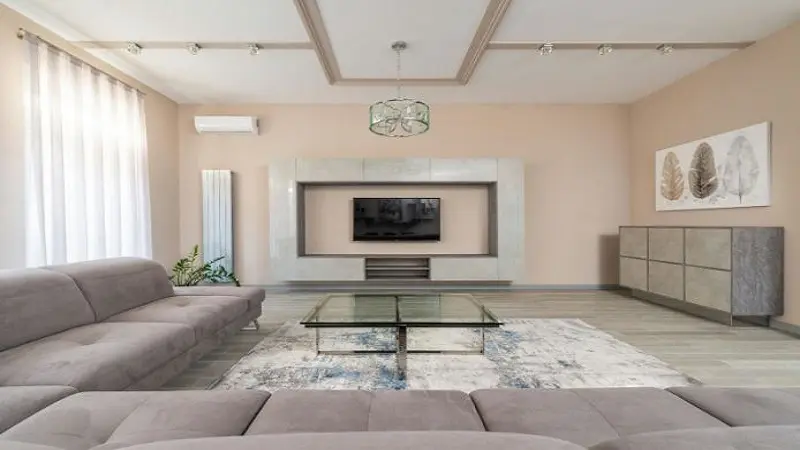
A home shapes behavior long before the first dinner, holiday, or quiet Sunday morning. Rooms affect stress, focus, comfort, and even how people speak to one another. That is why architectural render services now matter far beyond presentation. Good visualization helps a client test emotional fit before construction starts. A strong 3d architectural rendering company can turn a loose feeling like “I want this house to feel calm” into something visible, measurable, and discussable. This matters because people spend about 90% of their time indoors, and research on the built environment continues to show that space, daylight, and material choices influence well-being. The rise of immersive 3d architectural renderings gives homeowners a chance to react early, when changes are still affordable and smart.
The Impact Of Spatial Volume: Feeling The Height And Breath Of A Room
Ceiling height changes more than appearance. It changes posture, pace, and emotion. A tall living room can feel open, ambitious, and slightly theatrical. A lower reading room can feel safe, grounded, and personal. Neither is automatically better. It depends on the life the owner wants to live inside that space.
This is where visualization becomes practical psychology. When clients stand inside a digital room, they stop guessing from measurements alone. They can sense whether a foyer feels generous or too formal. They can see whether a bedroom feels restful or boxed in. A detailed architectural visualisation workflow makes it easier to judge proportion because the body processes space faster than the eye processes floor plans. Studies in environmental psychology have linked spatial qualities to mood and cognitive response, so these choices are not decorative trivia. They shape daily experience.
3d Architectural Rendering Company And The Open-Plan Debate
Open layouts promise connection, but they can also create noise, distraction, and emotional fatigue. Private corners offer control, though too many partitions can make a home feel chopped up and tense. Most families need both. They want visibility across shared areas and relief from constant exposure.
A digital walk-through helps people test that balance. Parents can check whether the kitchen still overlooks the play area. Someone working from home can see whether a study nook feels protected enough for concentration. Couples can compare a wide, social living zone with a plan that carves out quieter retreat spaces. A skilled architectural 3d rendering service does more than show walls and windows. It reveals daily patterns. In practice, that means fewer layout regrets and a house that supports real habits instead of fighting them.
Lighting And The Circadian Rhythm: The Science Of Wellness
Light is one of the strongest psychological tools in residential design. It affects morning alertness, afternoon energy, and the ability to wind down at night. Research on daylight and circadian health has repeatedly shown that window conditions and daylight exposure influence sleep, mood, and general well-being. So when a client asks for “a brighter home,” the real question is more specific: brighter when, where, and for what purpose?
Rendering helps answer that. Solar studies can show how light moves across a breakfast area in winter or how glare hits a screen in a home office in late afternoon. A precise architectural rendering service also helps clients understand the emotional difference between cool noon light and warm evening light. These are not minor details. They shape how restful, productive, or welcoming a room feels over time.
Visualizing The Threshold: The Psychology Of Transitions
Homes are made of transitions as much as destinations. Entry halls, corridors, mudrooms, and patio doors all prepare the mind for a shift. They tell the body whether it is arriving, leaving, slowing down, or opening outward. When these threshold spaces are ignored, a house can feel abrupt or emotionally flat.
Visualization gives them the attention they deserve. A hallway can be tested as a dark connector or redesigned as a bright gallery. A rear door can be framed to draw the eye toward the planting, sky, or a small terrace, thereby supporting the calming effects associated with visual access to nature. This is one reason many designers now combine 3d architectural services with biophilic thinking. They want to reduce stress not just with large gestures, but with subtle visual cues that soften transitions and make movement through the house feel natural.
Color, Texture, And The “Vibe” Of A Finished Space
Clients often use soft words when discussing finances. They say warm, quiet, clean, rich, airy, grounded. Those words may sound vague, but they carry real design intent. Color and surface texture translate that intent into something the brain can register almost instantly.
A pale limewash wall diffuses light differently from glossy paint. Oiled timber feels warmer, visually and emotionally, than polished stone. That is why premium architectural rendering services are so valuable. They let clients compare not only colors, but the mood created when color, reflectivity, grain, and shadow all meet in one room. A good render can even suggest a tactile difference. You can almost sense the dry softness of plaster or the cool density of marble. That level of realism helps a homeowner decide whether a scheme feels serene, heavy, urban, rustic, or simply wrong.
Critical Factors In Emotional Spatial Planning
Professional rendering teams study more than style. They help clients test a house’s psychological performance before a contractor orders materials. The strongest studios combine perceptual realism with decision support, which is one reason the market now includes everything from boutique specialists to large 3D rendering company networks and focused 3D architectural visualization company teams.
The most useful factors usually include the following:
Virtual reality for true 1:1 scale, realistic furniture to clarify movement and spatial limits, simulated evening lighting to test nighttime mood, and fast floor-material swaps to compare how reflection, visual weight, and perceived softness change the emotional energy of a room.
These tools reduce guesswork. They also reduce fear. In a large survey on working from home, more than a quarter of homes had workspaces that felt inadequate, which says a lot about how often people discover environmental problems only after moving in. Better pre-build testing changes that.
Reducing Buyer’s Remorse Through Emotional Certainty
Most construction anxiety comes from one simple fear: what if it looks good on paper and still feels wrong in real life? That fear is expensive. Late revisions slow schedules, raise costs, and drain trust between client and designer.
Visualization acts like an emotional rehearsal. A homeowner can test a larger window, shift a wall, or try a different kitchen layout before concrete is poured. That makes the decision grounded in reaction rather than hope. The value of 3D architectural visualization rendering lies in its ability to turn uncertainty into evidence. People stop saying “maybe this will work” and start saying “this feels right.” When that happens, the project moves forward with more confidence and fewer painful surprises.
The Designer-Client Relationship: A Collaborative Emotional Journey
Traditional design presentations often place the architect in the role of expert translator. The client listens, nods, and tries to imagine the outcome. Interactive rendering changes that relationship. It makes design more conversational and more honest.
When a homeowner can point to a shadowed corner and say it feels too heavy, or ask to soften a finish and see the result quickly, the process becomes shared authorship. A responsive rendering partner is not just producing images. It is building trust. The model serves as a common language between professional knowledge and personal feelings. That matters because homes succeed when technical skill and emotional truth meet in the same place. And it is also why many firms now treat high-fidelity residential visuals as a core design stage rather than a marketing extra.
Conclusion
The future of home design is not only more digital. It is more human. Plans still matter. Measurements still matter. But they do not fully explain why one home feels calming, and another feels restless. Rendering fills that gap. It helps people judge volume, light, privacy, transitions, and finish choices before they become fixed and expensive.
That shift has practical value. It cuts uncertainty, improves collaboration, and reduces the odds of emotional disappointment after move-in. It also raises the standard for what clients should expect from a serious visualization partner. A thoughtful 3D architectural rendering company offers homeowners more than just an attractive preview. It gives them emotional clarity. In the end, that is what good design is really about: creating a place that supports the mind as well as the body, and turning architectural 3d renderings into a true guide for a better life at home. See more