
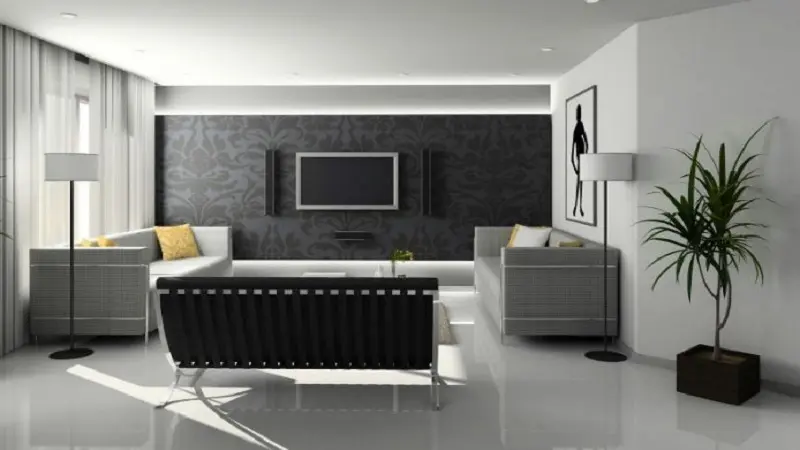
Luxury housing has entered a new phase. Owners still want smart climate control, scenes, security, media, and automated comfort, but they do not want visible clutter. For that reason, 3d rendering services now sit closer to the start of the design process, not the end. A capable 3D visualisation studio helps architects, integrators, and homeowners see how invisible systems will fit within ceilings, joinery, and wall cavities before a single fix-out decision becomes expensive. The global smart home market was valued at about USD 127.8 billion in 2024 and is expected to reach USD 162.78 billion in 2025.
Tech-minimalism is not anti-technology. It is anti-clutter. Clients want quieter rooms, calmer details, and less visible equipment. CEDIA’s 2026 guidance on calm technology points in the same direction: hidden sensors, flush-mounted speakers, and integrated lighting help a home feel less busy and more comfortable. Once these systems disappear behind plaster or timber, mistakes become harder and more expensive to fix. That is why digital planning matters so much.
The Role Of A 3d visualisation studio In Planning Hidden Systems
The most useful smart-home render is not the glossy final image. It is the working model that helps every discipline see where things actually fit. Hidden technology needs exact pockets, recesses, voids, cable routes, and service clearances. A recessed shade pocket that looks simple on paper may compete with a beam. A ceiling speaker may fight with ductwork. A hidden rack may overheat because the millwork has no ventilation. When those issues show up on-site, the budget usually covers them.
That is why designers now rely on a digital model as a planning tool, not just a sales tool. A strong 3d rendering studio or 3d visualization studio can reveal spatial conflicts before framing closes the walls. It also gives homeowners something they can actually understand. Most clients cannot read electrical sections or reflected ceiling plans with confidence. They can, however, react to a rendered room and say whether the line is clean, the ceiling feels calm, or the concealed technology still looks intrusive. That kind of clarity prevents bad assumptions, protects the architecture, and makes the hidden system feel intentional rather than improvised.
Visualizing Hidden Audio And Sonic Environments
Invisible audio is one of the clearest tests of smart-home restraint. Clients want strong sound in living rooms, wellness spaces, kitchens, and terraces, but they do not want visible towers or black grilles interrupting a refined wall. Hidden speakers behind plaster or integrated into cabinetry can solve that problem, yet they introduce another challenge: the room still needs to feel balanced when the hardware disappears. A digital model helps the team see where that balance holds and where it breaks.
This is where a specialized 3d rendering company earns its place. The artist can show the room in its quiet state, then explain what sits behind the finish and why the acoustic plan still works. Instead of asking the client to trust a technical note, the team can present a believable, calm interior that still performs. That approach matters because sound systems are emotional purchases. Homeowners want reassurance that premium audio will not ruin the room they paid so much to shape. Visualization gives them that reassurance before the walls are sealed.
Automated Shades And Light Control Integration
Automated shades look easy when they are finished well. The pocket disappears, the fabric drops cleanly, and the window head remains quiet. But the construction behind that effect is extremely exact. Ceiling recesses, wiring routes, blackout clearances, and maintenance access all need to be coordinated early. Lutron’s recessed pocket resources make that clear. The hardware is designed to vanish, which means the architecture must be designed around it from the start.
A model can show much more than a hidden shade pocket. It can also demonstrate how light behaves across the day. That is important in homes where owners want technology to support mood, sleep, glare control, and privacy without visible gadgets. It is one reason many teams fold this work into a broader 3d architectural visualization company. The image is not just explaining a mechanism. It shows the lived effects of automation on comfort, rhythm, and the overall character of the space.
Recessed Projectors And Retractable Displays
Entertainment spaces create a different kind of design tension. People want scale, immersion, and cinematic impact, but they often do not want the room to look like a permanent media bunker. Retractable screens, projector lifts, and ceiling traps solve that issue only when their placement is planned with lighting, joinery, ventilation, and circulation in mind. The real design question is not whether the room looks impressive when the system is active. It is whether the room still looks elegant when everything is hidden.
That question is hard to answer with a plan alone. It becomes far easier when a 3d rendering firm can show both states of the room. The client first sees the calm, everyday setting, then understands how the space changes when the screen drops and the projector appears. That before-and-after reading is what makes visualization so persuasive in multi-use rooms. It protects the feeling of normal living while still proving that powerful entertainment can exist in the background until it is needed.
The Strategic Benefits Of Pre-Construction Visualization
Pre-construction visualization brings the full team onto the same page. Architects can protect lines and proportions. Integrators can coordinate device depth, service access, and cable paths. Interior designers can preserve the calm finish that the client expects. Contractors can avoid preventable clashes between HVAC, structure, millwork, and technology. Without that shared model, every trade works from a partial view. That is usually when a luxury ceiling ends up crowded with holes, bulkheads, or last-minute compromises that no one wanted.
Visualization lets the team test concealment finishes, avoid the “Swiss cheese” effect of random ceiling cutouts, approve wire-free aesthetics before cabling begins, coordinate smart-home routes with mechanical paths, and give developers a marketing story for features that are otherwise invisible to the buyer.
A good example is Omegarender, whose work shows how 3d architectural visualization can support both atmosphere and technical confidence. For design-led homes, that matters. The client is not paying just for capability. The client is paying for calm. Teams looking for a 3d rendering agency often underestimate how much trust a strong render creates before the build starts. If the model proves the technology can disappear gracefully, the project moves faster, and the homeowner feels safer approving ambitious hidden systems.
From Digital Render To Electrical Reality
Once the concept is approved, the model becomes more than a presentation piece. It starts to act as a bridge to the construction phase. Installers can refer to the agreed-upon positions of speakers, shade pockets, recessed screens, and hidden control points. Designers can verify that the finish still aligns with the visual intent. Homeowners can review layer-based views that show both the finished room and the concealed systems behind it. That knowledge has real value after the project is complete because future maintenance becomes much easier when hidden equipment is properly documented.
This handoff from visualization to installation is where quality shows. A weak process leaves beautiful images behind and forces trades to guess. A stronger process turns the render into a practical tool. It is one reason the market for 3d render services keeps expanding alongside smart-home demand. Owners want assurance that the invisible technology will remain invisible after electricians, joiners, and finishers have all done their part. Precision in the model gives the build team a cleaner path to that result.
Conclusion
Smart homes have moved well past the era of visible gadgets. The best projects now hide intelligence inside the architecture and let the design do the talking. That shift makes visualization far more important than it used to be. It is no longer just a glossy marketing step. It is the planning tool that helps architects, interior designers, and integrators align before expensive mistakes are built into the structure. Hidden audio, recessed screens, automated shades, and low-visibility controls all depend on careful digital testing long before installation begins.
For homeowners, that means less guesswork and fewer surprises. For project teams, it means cleaner coordination and better outcomes. And for anyone trying to create a calm, luxurious home with serious technical capability, the lesson is simple: invisible systems only work when they are clearly visualized first. The future of smart living is not louder hardware. It is refined performance with almost zero visual footprint, and a reliable 3d visualisation studio is one of the few tools that can make that balance believable before the house is ever built. See more