
Mini split HVAC systems have become increasingly popular among homeowners and businesses seeking efficient, flexible heating and cooling solutions. These systems eliminate the need for traditional ductwork and deliver comfort directly to designated living spaces. However, when selecting a mini split system, understanding the distinction between single‑zone and multi‑zone configurations is critical. We will explore how these two system types differ in capacity, control, installation complexity, cost implications, and suitability for various applications. By grasping these differences, you can make an informed choice that aligns with your comfort needs, structural requirements, and long‑term energy considerations.
Key Comparative Features of Single‑Zone vs. Multi‑Zone Mini Split Systems
- System Architecture and How They Serve Spaces
Single‑zone mini split systems are designed to condition just one area or room with a single indoor unit connected to one outdoor compressor. Because of this straightforward architecture, a single‑zone system is ideal for situations where you require targeted climate control for a specific space, such as a bedroom, office, or small living area. The indoor unit is mounted inside the conditioned space and communicates directly with the outdoor unit, creating a dedicated loop that optimizes performance for the single environment it serves.
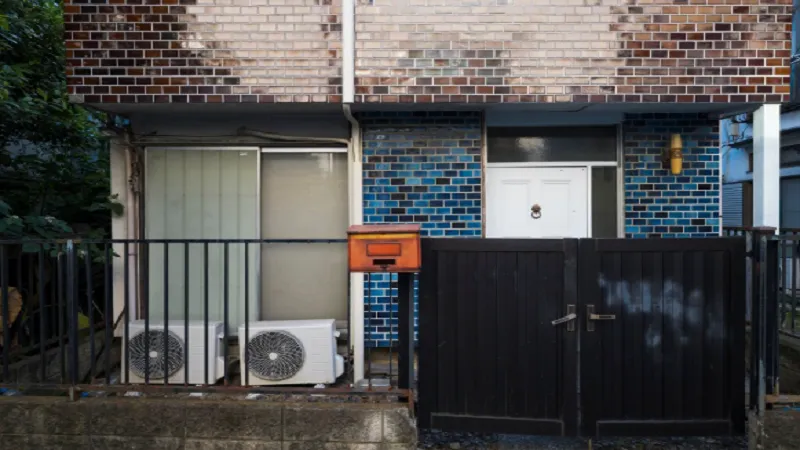
In contrast, multi‑zone mini split systems in Drexel Hill, PA connect multiple indoor units to a single outdoor compressor. This means that a building with different areas — for example, several bedrooms, a kitchen, and a living room — can have each zone independently conditioned by its own indoor unit while sharing one outdoor component. A multi‑zone system’s architecture supports multiple evaporators with individualized controls, allowing occupants to customize temperatures and airflow for different rooms within the same structure. The ability to deliver zonal comfort without separate outdoor compressors for each area not only conserves space but also enhances aesthetic continuity on exterior walls.
- Installation Complexity and Infrastructure Requirements
The installation process for single‑zone mini split systems is generally simpler and quicker than that of multi‑zone systems. A single‑zone installation typically involves installing one indoor air handler in the designated room and mounting the outdoor compressor nearby, with refrigerant lines and electrical connections run between the two. Because there is only one indoor unit, the amount of structural modification — such as drilling wall penetrations or adding mounts — is minimal.
In contrast, multi‑zone systems require more careful planning and labor to coordinate the placement of several indoor units with a single outdoor unit. This involves longer runs of refrigerant lines, more complex control wiring, and additional considerations for balancing the load between zones. The installer must ensure that each indoor unit is appropriately sized and located to serve its intended space efficiently, which can increase installation time and overall project coordination.
Furthermore, multi‑zone systems often involve integrating multiple controllers or a central control panel to manage all connected indoor units, adding another layer of technical consideration during setup. For buildings with space constraints or limited access, the complexity of routing lines and mounting multiple units must be carefully evaluated before committing to a multi‑zone solution.
- Climate Control and Comfort Management
One of the most significant differences between single‑zone and multi‑zone mini split systems lies in how they manage climate control across spaces. With a single‑zone system, the temperature, fan speed, and mode settings are dedicated to one specific area. This means that you can fine‑tune the comfort settings for that singular environment to suit its occupants’ preferences. Any changes in temperature or fan mode affect only that space, making single‑zone systems highly reliable for consistent performance in isolated areas. On the other hand, multi‑zone systems empower occupants to adjust settings independently in each zone.
For example, one room can be kept cooler while another is maintained at a warmer temperature without compromising overall system efficiency. This level of control is particularly beneficial in homes or spaces where individual preferences vary greatly, such as households with different schedules or comfort needs. Independent control in multi‑zone systems also enables energy savings by preventing unnecessary conditioning of unoccupied spaces. Rather than cooling or heating the entire building uniformly, a multi‑zone setup allows select zones to be active based on occupancy or usage patterns, resulting in personalized comfort and potentially lower energy bills.
- Energy Efficiency and Operating Costs
When it comes to energy usage and operating costs, both single‑zone and multi‑zone mini split systems offer advantages over traditional HVAC systems with ductwork, but their efficiencies differ based on usage patterns. A single‑zone system conditions only one area, often leading to lower energy consumption when the rest of the building remains unused or does not require conditioned air. Because the system only needs to operate in the targeted space, it typically consumes less electricity than a central system that cools or heats an entire structure.
However, if your goal is to condition multiple rooms or a large open area, multiple single‑zone systems could end up consuming more energy and increasing operating costs due to redundant outdoor units and overlapping usage. Multi‑zone systems can mitigate this by sharing one outdoor compressor among several indoor units, which can lead to improved overall efficiency when multiple spaces require simultaneous conditioning. Modern multi‑zone systems often feature inverter technology that adjusts compressor speed in response to real‑time demand, reducing waste and improving part‑load performance. By modulating output, multi‑zone systems avoid the constant on‑off cycling that contributes to inefficiencies in conventional units. As a result, multi‑zone installations may offer lower cumulative operating costs, especially in properties with diverse usage patterns or fluctuating occupancy.
Choosing between a single‑zone and a multi‑zone mini split system requires careful assessment of your space, comfort preferences, and long‑term energy goals. Single‑zone systems provide focused control and simpler installation for isolated areas, while multi‑zone systems deliver flexible, room‑by‑room climate management across multiple spaces. Both options eliminate the inefficiencies of ductwork and present energy‑saving alternatives to traditional HVAC systems. Understanding differences in architecture, installation complexity, energy use, cost implications, and suitable applications will help you determine which system aligns with your specific needs and investment horizon.