
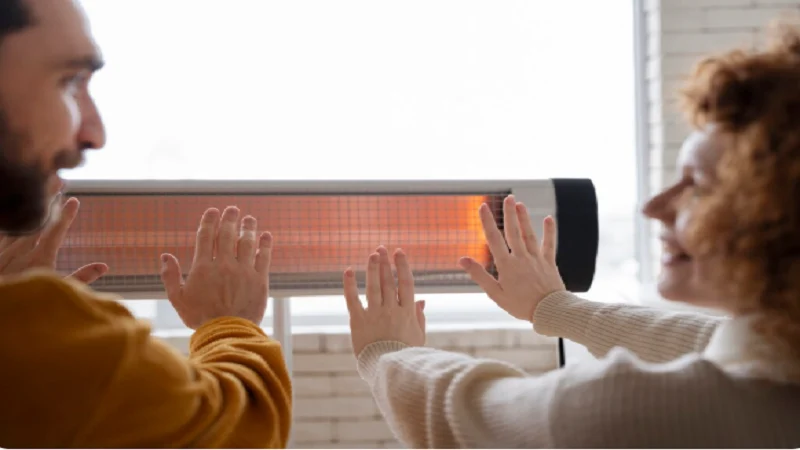
Heating systems play a crucial role in keeping homes comfortable and safe during colder months. Neglecting even minor issues can lead to sudden breakdowns, increased energy costs, or unsafe conditions. Homeowners often overlook early warning signs, assuming minor inconveniences are normal wear and tear. Recognizing when a heating system requires immediate attention can prevent costly repairs, extend the equipment’s lifespan, and ensure consistent warmth. We will explore clear indicators that suggest your heating system is struggling and why prompt action is essential. Being aware of these signs allows homeowners to act quickly, maintaining both comfort and safety in their living environment while avoiding unnecessary stress or disruptions caused by system failure.
Warning Signs Your Heating System Needs Urgent Service
-
Inconsistent Heating and Uneven Temperatures
One of the most common indicators of trouble is uneven heating throughout the home. When some rooms feel significantly colder or warmer than others despite thermostat settings, it suggests the system is not distributing heat efficiently. Blocked or leaking ductwork, failing blower motors, or worn-out components can prevent warm air from reaching certain areas. In older furnaces, sediment buildup or damaged heat exchangers can also cause inconsistent temperatures. Ignoring this sign can lead to higher energy bills as the system works harder to maintain desired temperatures, and it can put additional stress on components, increasing the likelihood of a complete breakdown. Homeowners should monitor their heating patterns and schedule an inspection with One Stop Heating and Air Conditioning when they notice any inconsistencies.
-
Unusual Noises During Operation
Heating systems are designed to operate quietly, with only faint sounds of airflow or mechanical movement. If you start hearing banging, clanging, hissing, or squealing noises, it may indicate loose parts, failing belts, or air pressure problems. Metal components can expand or contract as the system heats up, but excessive or sharp noises often indicate underlying mechanical issues that require immediate attention. Ignoring these sounds can lead to severe damage, including motor failure or cracked components, which are costly to repair. Timely diagnosis helps prevent emergencies and ensures the system continues to function safely and efficiently.
-
Frequent Cycling On and Off
Another red flag is when the heating system turns on and off more frequently than usual, a behavior known as short cycling. Short cycling often indicates airflow restrictions, dirty filters, thermostat problems, or an overworked system struggling to maintain temperature. This not only wastes energy but also increases wear on the system, reducing its overall lifespan. In severe cases, components such as the compressor or furnace burners may overheat, causing permanent damage. Homeowners should pay attention to the frequency and duration of heating cycles and address persistent short cycling promptly to maintain reliable operation and efficiency.
-
Strange Odors or Smells
Heating systems should not produce strong or unusual odors. Foul smells, such as burning, musty, or chemical scents, are clear warning signs. Burning odors may suggest overheating components, electrical issues, or accumulated dust igniting in the system, while musty smells can indicate mold growth within ductwork or moisture buildup. Chemical smells might result from refrigerant leaks in heat pumps or other mechanical failures. Ignoring these odors can pose health risks, including respiratory issues, and may signal serious malfunctions that require urgent repair. Immediate attention to unusual smells ensures both the safety of residents and the proper functioning of the heating system.
- Visible Leaks or Moisture Around Equipment
Water or other fluids pooling around heating units or visible rust on components are signs of malfunction. Leaks can originate from damaged pipes, condensate drains, or internal components like heat exchangers. Moisture near electrical connections is particularly dangerous, increasing the risk of short circuits or system failure. Additionally, water accumulation encourages mold growth, compromising indoor air quality. Promptly addressing visible leaks can prevent extensive damage, protect the home’s structural integrity, and maintain a healthy living environment. Regular inspection and maintenance help detect and resolve these issues before they escalate into major problems.
- Rising Energy Bills Without Increased Usage
A sudden increase in energy costs, without a corresponding rise in household consumption, is often a symptom of heating inefficiency. Systems that are failing, clogged, or malfunctioning require more energy to achieve the same heating output. Factors contributing to inefficiency include dirty filters, blocked vents, malfunctioning fans, or aging components struggling to operate optimally. Homeowners should monitor energy bills and compare them to previous periods to detect unusual spikes. Addressing inefficiency not only improves comfort but also reduces unnecessary energy expenditure. A timely assessment ensures the system operates at peak efficiency, protecting both finances and equipment longevity.
-
Thermostat Malfunctions or Inaccuracies
A thermostat that fails to respond, displays incorrect temperatures, or shows erratic behavior is another indicator of heating system problems. While some issues may stem from simple calibration errors or low batteries, persistent inaccuracies can point to faulty sensors, wiring problems, or control board malfunctions. If the thermostat cannot accurately communicate with the heating system, the home may become uncomfortably cold or overheated, putting unnecessary strain on the equipment. Replacing or repairing the thermostat early prevents further system stress, maintains energy efficiency, and ensures consistent indoor comfort throughout the heating season.
Recognizing the warning signs that a heating system needs immediate attention is essential for maintaining comfort, safety, and efficiency in the home. Uneven heating, unusual noises, short cycling, strange odors, visible leaks, rising energy costs, thermostat issues, frequent repairs, declining air quality, and system age are all indicators that should not be ignored. Homeowners who respond promptly can prevent costly breakdowns, extend the life of their heating system, and ensure a safe, comfortable environment for their family. Staying attentive to these signs is a proactive approach that keeps your home warm and your equipment functioning reliably throughout the heating season.