
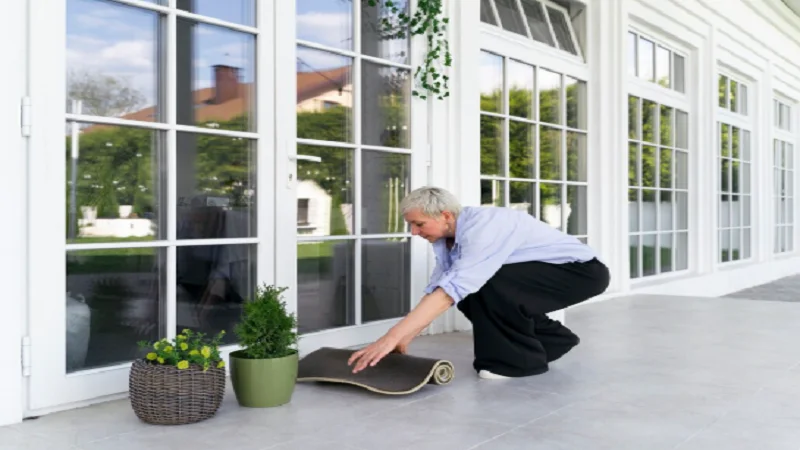
The exterior of a home communicates character, structure, and architectural intent long before anyone steps inside. Windows are not merely functional openings for light and ventilation; they are defining visual components that influence proportion, symmetry, and texture. A thoughtfully executed window installation service can dramatically refine curb appeal, enhance architectural cohesion, and improve long-term performance. We will explore how strategic window selection and precise installation align with exterior materials, rooflines, and structural geometry to create a unified aesthetic statement. By understanding the relationship between window systems and façade composition, homeowners can make informed design decisions that elevate both form and function without unnecessary structural alterations.
Key Ways Window Installation Enhances Exterior Design
- Architectural Harmony and Visual Proportion
A professional window installation service contributes significantly to architectural harmony by ensuring that window dimensions, placement, and configuration correspond with the home’s structural geometry. Windows influence rhythm and symmetry across the façade, particularly in colonial, craftsman, contemporary, or Mediterranean designs. Proper alignment with roof slopes, entryways, and siding patterns ensures visual continuity rather than fragmentation. When windows are scaled appropriately to wall height and width, the home appears balanced rather than disproportionate.
Installers in Boca Raton, FL also ensure head-height consistency across elevations, strengthening architectural cohesion. Whether expanding openings for larger panes or maintaining traditional divided-light patterns, installation precision determines whether the exterior appears intentional or inconsistent. Through calculated measurements and structural evaluation, the service enhances proportion while preserving load-bearing integrity. The result is a façade that feels deliberate and refined, reinforcing the home’s architectural language without overwhelming it.
- Material Integration and Exterior Texture Balance
Exterior design often incorporates layered materials such as brick, stone veneer, fiber cement siding, stucco, or wood cladding. Window installation must complement these textures rather than compete with them. Frame materials—vinyl, fiberglass, aluminum, or wood—interact differently with surrounding finishes. A clean-lined fiberglass frame may enhance modern stucco architecture, while wood frames can harmonize with rustic stone façades. Installation professionals evaluate expansion tolerances, moisture barriers, and trim integration to prevent visual and structural inconsistencies.
Proper flashing and sealing not only protect against water intrusion but also preserve the aesthetic finish around the opening. Trim profiles, casing thickness, and color contrast further influence how windows visually anchor into the wall assembly. When these elements are coordinated carefully, the home’s exterior gains depth and continuity. Rather than appearing as isolated inserts, the windows become cohesive design components that reinforce material transitions and architectural texture.
- Enhanced Natural Light and Façade Dynamics
Window installation impacts more than appearance; it shapes how natural light interacts with the exterior envelope. Larger or strategically repositioned windows can modify shadow lines, creating dynamic visual contrast throughout the day. In contemporary architecture, expansive glazing introduces a sleek, open façade, while traditional designs may emphasize vertically oriented windows to maintain historic character. Installers analyze orientation relative to sun exposure, ensuring that window placement supports both illumination and thermal performance.
By adjusting sill height and glass dimensions, they influence how interior light spills outward at dusk, subtly enhancing nighttime curb appeal. Architectural grids or muntins can also shift the exterior’s stylistic tone, either reinforcing heritage detailing or maintaining minimalist clarity. Through calculated installation methods, homeowners gain both functional daylighting improvements and a façade that feels vibrant and well-composed under changing environmental conditions.
- Energy Performance and Exterior Longevity
An often overlooked aspect of window installation is its contribution to energy efficiency and structural preservation. High-performance glazing systems, when installed with airtight sealing techniques, reduce thermal bridging and air leakage. This enhances insulation continuity within the building envelope. Exterior aesthetics benefit indirectly because improved thermal performance minimizes condensation damage, paint deterioration, and material warping around frames. Installers incorporate flashing membranes and vapor barriers that align with exterior wall assemblies, ensuring durability under varying climate conditions. Over time, this prevents staining, cracking, or premature wear that could undermine curb appeal.
Additionally, selecting frame colors and finishes that resist ultraviolet degradation preserves visual consistency across elevations. By prioritizing installation integrity, homeowners achieve both sustainable performance and a lasting exterior presentation. The synergy between energy efficiency and façade maintenance ensures that design improvements remain visually intact for years rather than fading due to preventable structural weaknesses.
- Customization and Design Adaptability
Window installation services allow for customization that adapts to evolving exterior trends without requiring complete reconstruction. Homeowners can introduce bay or bow windows to create a sense of depth, or opt for picture windows to create a sense of panoramic emphasis. Even subtle adjustments, such as black exterior frames against light siding, can produce a modern contrast that refreshes the façade. Installers evaluate load distribution before modifying openings, maintaining structural safety while achieving design transformation.
Decorative elements such as shutters, transoms, or arched tops can be integrated seamlessly during installation rather than retrofitted later. The ability to tailor frame profiles, grille patterns, and glazing finishes ensures that window systems align with both contemporary and traditional aesthetics. Through collaborative planning and accurate craftsmanship, window installation becomes a strategic design tool rather than a mere replacement service. The flexibility it provides empowers homeowners to refine exterior identity without compromising architectural stability or coherence.
Window installation services play a pivotal role in shaping a home’s exterior character, influencing symmetry, material interactions, light dynamics, and long-term durability. When executed with structural precision and aesthetic awareness, it enhances façade cohesion while supporting energy efficiency and weather resilience. Thoughtful integration of frame materials, glazing proportions, and architectural detailing transforms windows into defining design elements rather than secondary features. By aligning installation techniques with the home’s architectural framework, homeowners achieve a refined exterior that balances functionality with visual impact. Ultimately, strategic window installation serves as a practical yet transformative investment, reinforcing both the structural envelope and the stylistic integrity of the home’s outward presentation.