
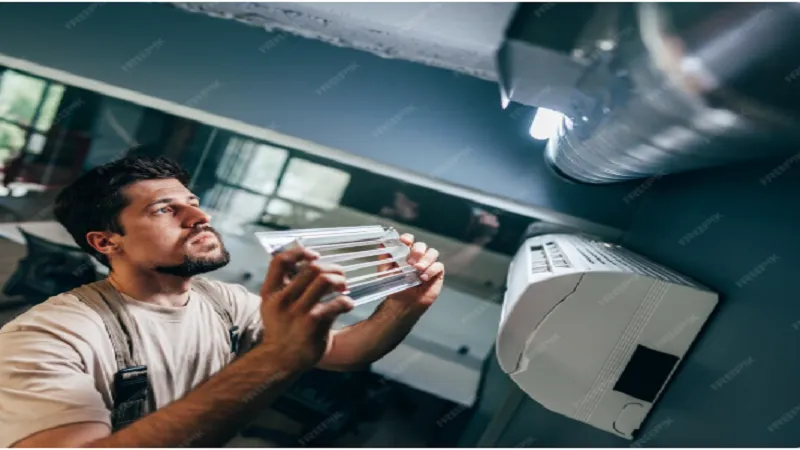
A dependable furnace is essential for maintaining indoor comfort, yet its influence on energy efficiency is often underestimated until heating bills begin to rise. Even small mechanical irregularities inside a furnace can cause it to consume more fuel or electricity than necessary. We will explore how professional furnace repair strengthens overall system efficiency by restoring mechanical balance, correcting airflow disruptions, and ensuring accurate operational controls. When heating equipment runs in a compromised state, it wastes energy in subtle but cumulative ways. Addressing those inefficiencies through structured repair not only improves performance but also reduces operational strain. By understanding how repair directly impacts energy use, homeowners can make informed decisions that support comfort, cost control, and long-term equipment durability.
How Targeted Furnace Repairs Improve Performance and Reduce Energy Waste
- Restoring Proper Airflow and Heat Transfer Dynamics
One of the primary contributors to furnace inefficiency is restricted airflow. When internal components such as blower wheels, air filters, or return ducts accumulate debris, the volume of heated air moving through the system declines. As airflow decreases, the furnace must operate for longer cycles to achieve the desired indoor temperature. This extended runtime increases fuel consumption and accelerates wear on motors and heat exchangers. Professional furnace repair in Jackson, MS includes inspection and cleaning of airflow pathways to remove obstructions that compromise circulation.
Technicians evaluate duct connections, fan assemblies, and air intake structures to confirm that the system can move air freely and evenly. In addition, they inspect the heat exchanger for scaling or surface buildup that may reduce effective heat transfer. When thermal exchange surfaces are impaired, more energy is required to deliver adequate warmth. Restoring proper airflow and maximizing heat transfer efficiency reduces wasted runtime and supports a balanced heating cycle. The result is improved comfort, lower energy expenditure, and more predictable system operation.
- Optimizing Combustion and Fuel Utilization
Efficiency For gas and oil furnaces, combustion efficiency plays a direct role in energy consumption. Over time, burner assemblies may shift, ignition components can weaken, and fuel delivery mechanisms may fall out of calibration. These issues lead to incomplete or inconsistent combustion, meaning a greater quantity of fuel is burned to produce the same level of heat. Professional repair services include combustion analysis to measure flame stability, exhaust composition, and air-to-fuel ratios.
By adjusting burner alignment, cleaning flame sensors, and verifying gas pressure levels, technicians restore optimal combustion conditions. Efficient combustion ensures that a higher percentage of the fuel’s energy is converted into usable heat rather than being lost through exhaust gases. This precision reduces waste and lowers emissions. In addition, technicians inspect venting systems to confirm proper draft flow, preventing back pressure that can hinder burner performance. When combustion systems are fine-tuned, furnaces operate with greater thermal output per unit of fuel. This not only improves energy efficiency but also contributes to safer, more consistent heating performance.
- Repairing Electrical and Control Components for Accurate Cycling
Modern furnaces rely on electrical controls to regulate operation, including thermostats, limit switches, pressure sensors, and circuit boards. When these components malfunction, the furnace may short cycle or run continuously, both of which increase energy usage. Short cycling occurs when the system turns on and off too frequently, preventing efficient heat distribution and placing excessive strain on internal parts. Continuous operation, on the other hand, leads to unnecessary fuel or electricity consumption.
During professional repair, technicians test voltage readings, sensor accuracy, and thermostat calibration to ensure precise communication between components. Faulty wiring, worn relays, or aging capacitors are replaced to stabilize system performance. Properly calibrated controls enable the furnace to maintain steady heating cycles, turning on only when needed and shutting off at appropriate temperature thresholds. This operational accuracy eliminates wasted runtime and improves overall system efficiency. By restoring reliable electrical function, repair services ensure that the furnace responds correctly to environmental conditions, maintaining comfort without excess energy use.
- Sealing Distribution Leaks and Enhancing System Balance
Even when the furnace itself functions properly, inefficiencies can arise within the air distribution network. Leaks in ductwork, loose connections, or poorly sealed plenums allow heated air to escape before reaching occupied spaces. As a result, the furnace compensates by extending heating cycles to maintain thermostat settings. Professional furnace repair often includes evaluation of visible duct joints and accessible distribution pathways. Technicians apply sealing materials or secure loose fittings to prevent air loss. They may also assess airflow balance between rooms to identify areas receiving inadequate heat.
By restoring distribution integrity, the system delivers conditioned air more effectively throughout the home. Improved distribution reduces temperature inconsistencies, allowing the furnace to cycle less frequently. Balanced airflow also prevents overheating in certain sections of the system, protecting components from stress. Addressing distribution leaks transforms energy that would otherwise be lost into usable warmth, directly enhancing heating efficiency without increasing fuel input.
Professional furnace repair significantly enhances energy efficiency by restoring airflow integrity, optimizing combustion processes, stabilizing electrical controls, sealing distribution losses, and preserving mechanical balance. When any component within the heating system operates below its intended performance level, energy waste increases and comfort declines. Through systematic inspection and corrective adjustments, repair services restore the furnace to efficient operation. This proactive approach minimizes fuel consumption, reduces electricity demand, and ensures consistent indoor temperatures. Rather than viewing furnace repair as merely reactive maintenance, homeowners benefit by recognizing its direct impact on energy conservation. A well-maintained and properly repaired furnace operates with precision, delivering reliable warmth while keeping operating costs under control.