
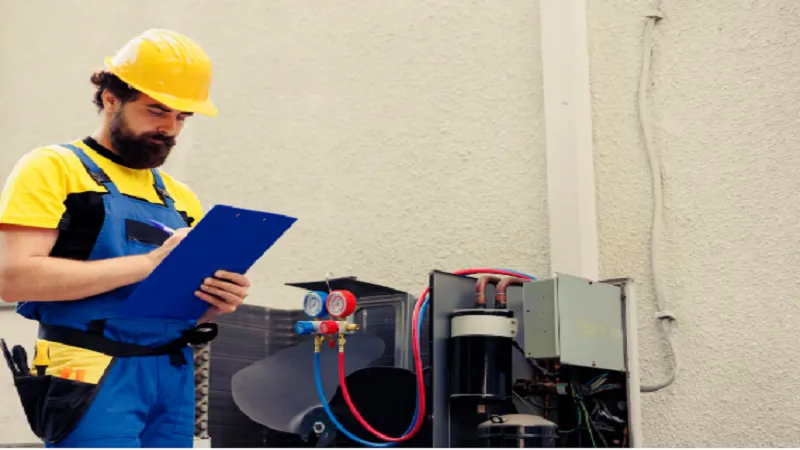
Compressor wear often starts quietly long before cooling stops, so contractors watch for small shifts that show stress inside the sealed shell. Homeowners may notice longer cycles, warmer supply air, or vibration near the outdoor unit, but measurements tell a clearer story. Wear accelerates when the refrigerant charge is off, airflow is restricted, coils are dirty, or power is unstable, because those conditions raise temperatures and load. A diagnosis links symptoms to causes instead of guessing from one reading. By combining observation, electrical checks, and refrigerant performance testing, contractors can spot early signs of decline and reduce the risk of a sudden shutdown.
How contractors verify wear
- Noises and visual clues
The first step is a careful walk around the condenser while it runs through a normal cycle. Contractors listen for a rough start, a repeated clicking that suggests contactor issues, or a deeper knocking that can indicate internal parts contacting under load. They watch the fan and feel airflow through the coil, because weak airflow or a clogged coil raises head pressure and makes the compressor work harder. Oil stains around brazed joints, service valves, or the base pan can indicate refrigerant loss, and a low charge can starve the compressor of adequate cooling. They check line set insulation, suction line sweating patterns, and whether the unit vibrates more than expected on the pad. They also ask about storms, breaker trips, or frequent cycling, since repeated hot restarts can speed up mechanical wear. This visual and sound check does not confirm failure, but it helps target the next tests toward the likely stress source.
- Electrical load patterns
After the site check, contractors measure electrical behavior because it often reveals stress early. They verify supply voltage at the disconnect and at the contactor while the compressor is running, then compare it to the equipment requirements to catch sag or imbalance. They measure running amperage and watch the startup spike, since a rising or erratic draw can indicate harder starts, weakened windings, or increased internal friction. They test the run capacitor and any start-assist component because low capacitance can extend startup time and increase motor temperature. They also inspect contactor points for pitting that creates a voltage drop under load. They may also check winding resistance balance and insulation condition to detect breakdown before a short occurs. In Wilmington, NC, long, humid runs can magnify small electrical weaknesses into noticeable overheating. If electrical readings are stable but cooling performance is slipping, they shift attention to refrigerant pressures and temperatures.
- Refrigerant performance signals
Gauge and temperature readings help distinguish a compressor under strain from one losing pumping ability. Contractors record suction and discharge pressures, calculate superheat and subcooling, and interpret those numbers alongside outdoor temperature and indoor airflow. A metering issue or restricted filter can mimic compressor trouble by driving abnormal suction pressure, so airflow verification is part of the same step. They check the temperature split across the indoor coil and the suction line temperature back to the compressor, because poor suction cooling can overheat the motor. They also note the discharge line temperature, since excessive heat can degrade the oil and damage valves. If pressures show a high compression ratio, they investigate coil cleanliness, fan performance, and charge accuracy before blaming the compressor. When a compressor is worn internally, it may run at reduced capacity even after charge and airflow are corrected, and readings will often drift back toward abnormal levels after adjustments.
- Confirming cause and protection
When early wear remains the leading explanation, contractors add confirmation steps that reduce guesswork. Oil condition tests can reveal overheating byproducts and contamination that attack motor insulation. Moisture indicators and evacuation history help determine whether water exposure contributed to corrosion or sludge formation. Sound and vibration tools can distinguish normal scroll sound from a harsher pattern that suggests mechanical damage. Technicians may compare start times, shell temperature rise, and current draw across multiple cycles to determine whether the unit is trending worse rather than experiencing a one-off anomaly. They document findings so that future visits can accurately compare changes. Just as important, they correct the operating condition that is driving stress, such as repairing refrigerant leaks, restoring proper airflow, cleaning coils, improving drainage around the condenser, and addressing voltage problems. A compressor that runs cooler, starts smoothly, and stays within normal pressures is less likely to progress from early wear to a sudden lockup.
Preventing sudden compressor failures later
Early compressor wear shows up through patterns that connect sound, electrical behavior, and refrigerant performance. A rough start, rising amperage, weak capacitors, high compression ratios, and excessive discharge temperatures can all signal stress building over time. Contractors confirm airflow and charge first, because those issues commonly create symptoms that resemble internal decline. When readings still indicate reduced capacity, additional checks such as insulation testing, oil condition screening, and vibration review strengthen the call. The goal is to identify wear and remove the cause, so the compressor runs cooler, starts smoothly, and avoids a surprise failure during peak heat. View More