
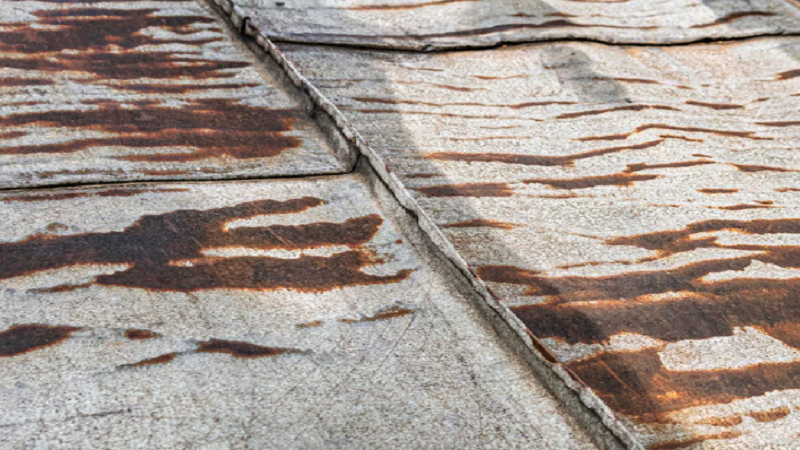
A damaged roof often appears as a surface-level issue, but the problems it creates can extend far beyond what is visible. Beneath shingles or tiles, a complex structure supports the roof and protects the interior of a building. When damage occurs, water and environmental exposure can quietly affect these hidden layers, leading to gradual deterioration. Many property owners focus only on visible repairs, overlooking deeper structural risks that develop over time. Understanding what happens beneath a compromised roof helps reveal why timely action is essential. By examining these hidden risks, it becomes easier to prevent long-term damage and maintain the stability of a structure.
What Lies Beneath Roof Damage
Moisture Intrusion and Structural Weakening
When a roof is damaged, moisture often becomes the most immediate threat to the underlying structure. Water can seep through small openings and travel along beams, insulation, and decking materials. Over time, this continuous exposure weakens wood components, causing them to soften and lose their strength. As the structure absorbs moisture, it may begin to warp or sag, affecting the overall integrity of the roof. Even minor leaks can create long-term issues if they remain undetected. Property owners searching for roof installation services near me frequently discover that what seemed like a simple repair has already impacted deeper structural elements. Addressing moisture intrusion early is essential to prevent extensive deterioration.
Decay of Roof Decking and Support Systems
The roof deck serves as the foundation for all roofing materials, providing support and stability. When exposed to prolonged moisture, the decking can begin to rot, compromising its ability to hold fasteners and maintain structural alignment. This decay may not be immediately visible, as it often occurs beneath layers of roofing material. Over time, weakened decking can lead to uneven surfaces and reduced load-bearing capacity. Support systems such as rafters and trusses may also be affected, especially if moisture spreads beyond the deck. These hidden issues can escalate quickly, making it important to assess the condition of underlying components when addressing roof damage.
Impact on Insulation and Energy Efficiency
Damaged roofs can also affect insulation, which plays a key role in maintaining indoor temperature stability. When moisture reaches insulation materials, it reduces their effectiveness and can lead to clumping or deterioration. This loss of performance allows heat to escape during colder months and enter during warmer periods, increasing energy consumption. In addition, damp insulation can create conditions that promote mold growth, further affecting indoor air quality. The impact on energy efficiency is often gradual, making it easy to overlook until utility costs begin to rise. Addressing roof damage promptly helps preserve insulation performance and maintain a comfortable indoor environment.
Quick Insight on Structural Risks
Hidden roof damage weakens support systems, reduces energy efficiency, and allows moisture to spread, creating long-term structural challenges that are costly to repair.
Mold Growth and Indoor Air Concerns
Moisture trapped beneath a damaged roof creates an environment where mold can develop. This growth often occurs in areas that are not easily visible, such as attic spaces or within wall cavities. Mold can spread through airborne spores, affecting indoor air quality and potentially causing health issues for occupants. The presence of mold is often linked to persistent moisture problems that originate from roof damage. Once established, it can be difficult to eliminate without addressing the underlying source. Recognizing the connection between roof damage and mold growth highlights the importance of early intervention in preventing both structural and environmental concerns.
Long-Term Effects on Building Stability
As structural components weaken over time, the overall stability of the building can be affected. Sagging rooflines, uneven surfaces, and shifting supports are all potential consequences of prolonged damage. These issues may not appear immediately but can develop gradually as materials continue to deteriorate. In severe cases, structural failure can occur, requiring extensive repairs or reconstruction. The longer damage is left unaddressed, the more complex and costly the solutions become. Maintaining the integrity of the roof and its underlying structure is essential for ensuring the safety and durability of the entire building.
Preventive Measures and Ongoing Maintenance
Preventing hidden structural risks requires a proactive approach to roof maintenance. Regular inspections can help identify early signs of damage, allowing for timely repairs before problems escalate. Addressing small issues such as missing shingles or minor leaks can prevent moisture from reaching deeper layers. Proper ventilation and drainage also play a role in reducing moisture buildup within the roof system. By maintaining these elements, property owners can protect the underlying structure and extend the lifespan of their roofing system. Consistent care helps ensure that potential risks are managed effectively.
Conclusion
Hidden structural risks beneath damaged roofs often develop quietly, making them easy to overlook until significant damage has occurred. From moisture intrusion and material decay to insulation loss and mold growth, these issues can affect both the structure and the indoor environment. Understanding how damage spreads beneath the surface highlights the importance of early detection and repair. By taking a proactive approach to maintenance and addressing problems promptly, property owners can protect their buildings from long-term deterioration. Preserving the integrity of the roof ensures that the entire structure remains stable, efficient, and capable of withstanding environmental challenges over time.