
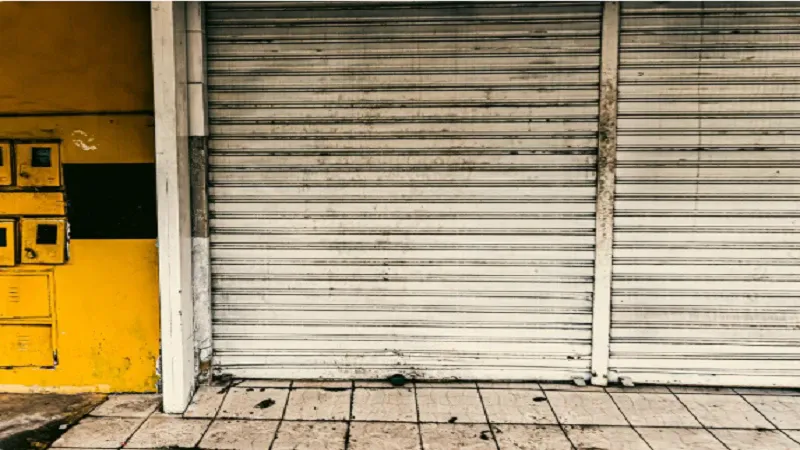
Garage doors are one of the largest moving components in any home, yet they are often overlooked until something goes wrong. For many residents, the garage door is used multiple times a day, serving as the primary entry and exit point rather than the front door. This constant operation, combined with weather exposure and mechanical wear, can create a range of functional issues over time. From sudden breakdowns to gradual performance decline, these problems can disrupt daily routines and compromise security. We will explore the most common garage door problems residents encounter and outline practical, actionable fixes that restore reliability and safety.
Common Garage Door Issues and How to Resolve Them
- Broken or Worn-Out Springs
One of the most frequent issues homeowners face is a broken torsion or extension spring. These springs counterbalance the garage door’s weight, allowing it to lift smoothly. Over time, repeated cycles of opening and closing cause metal fatigue, eventually leading to snapping or loss of tension. Residents often notice a loud bang from the garage, difficulty lifting the door, or the opener straining without success. In many cases, homeowners begin searching for garage door repair in Fort Langley when these warning signs appear, as spring failure can bring daily routines to a halt. Attempting to operate a door with a damaged spring can strain the motor and create additional mechanical stress.
The appropriate fix is to replace the springs with components rated for the correct door weight and cycle life. Because springs are under significant tension, proper tools and controlled release procedures are required. Regular inspections for rust, gaps in the coil, or uneven door movement can help identify weakening springs before a complete failure occurs.
- Misaligned or Damaged Tracks
Garage doors rely on metal tracks mounted along the walls and ceiling to guide their movement. When these tracks become bent, loose, or misaligned, the door may shake, scrape, or get stuck mid-operation. Residents sometimes notice grinding sounds or uneven spacing between the rollers and the track edges. Minor track misalignment may result from loose mounting brackets, while more severe damage can occur after accidental impact from a vehicle. The fix often begins with inspecting the brackets and tightening hardware to restore alignment. If sections are bent, they may require straightening with appropriate tools or replacement if structural integrity is compromised. Maintaining proper vertical and horizontal alignment ensures that rollers glide smoothly, reducing stress on the opener system. Periodic cleaning to remove debris buildup further prevents obstruction-related issues that can escalate into more significant malfunctions.
- Malfunctioning Garage Door Opener
An unresponsive or inconsistent opener can cause frustration, especially when residents rely on automated access. Symptoms include delayed response, unusual noises, intermittent stopping, or failure to open entirely. Electrical issues, worn internal gears, or sensor interference may all contribute to opener malfunction. Residents should first verify that the power source is intact, the remote batteries are functional, and the safety sensors are aligned and not obstructed. Dust, moisture, and wiring deterioration can also disrupt performance. When internal components, such as drive gears, wear down, replacement parts or a full-unit upgrade may be required. Ensuring that the opener’s force and travel limits are correctly calibrated helps prevent abrupt reversals or incomplete closing cycles. Routine testing of the safety reversal mechanism ensures compliance with safety standards while maintaining dependable operation over time.
- Worn or Noisy Rollers
Rollers play a critical role in enabling smooth door travel along the track system. Over time, nylon or steel rollers may crack, flatten, or lose lubrication, causing rattling and vibration. Residents often dismiss minor noise as normal aging, but persistent grinding can indicate deteriorating rollers that increase friction. This added resistance places extra strain on both springs and the opener. Replacing worn rollers with durable alternatives designed for frequent cycling can significantly reduce noise and extend the lifespan of other components. Proper lubrication using manufacturer-recommended products minimizes friction and prevents corrosion. Routine inspection for wobbling stems or uneven rolling helps catch early wear. Addressing roller issues promptly can prevent cascading mechanical stress that would otherwise affect the entire lifting system.
- Weather Seal Deterioration
The bottom seal and perimeter weather stripping protect garages from moisture, pests, dust, and drafts. Residents in climates with temperature fluctuations often experience cracking, hardening, or shrinkage of these seals. When compromised, gaps allow water intrusion and energy loss, particularly if the garage is attached to the home. Signs of deterioration include visible daylight beneath the door or water pooling inside after rainfall. Replacing the bottom rubber seal and side stripping restores insulation and environmental protection. Accurate measurement and selecting materials designed for local climate conditions ensure durability. Keeping seals clean and checking them seasonally prevents unnoticed degradation. Addressing seal issues not only protects stored belongings but also helps maintain indoor comfort in adjacent living spaces.
- Sensor Alignment Problems
Modern garage doors are equipped with photoelectric sensors designed to prevent the door from closing on objects or people. When these sensors become misaligned or obstructed, the door may reverse unexpectedly or refuse to close. Residents often encounter blinking indicator lights signaling a fault. Dust accumulation, accidental bumps, or wiring issues commonly cause misalignment. The fix involves ensuring that both sensors face each other directly and are at equal height, and that the lens surfaces are clean. Checking wiring connections for fraying or looseness helps restore signal consistency. Regularly testing the auto-reverse function by placing a small object in the door’s path confirms proper operation.
Garage door problems can range from minor inconveniences to significant mechanical failures that affect safety and property security. Because these systems operate under tension and rely on coordinated mechanical and electrical components, even small irregularities can escalate when ignored. Residents who remain attentive to early warning signs—such as unusual noises, uneven movement, or delayed responses—are better positioned to address issues before they lead to costly repairs. By understanding common issues and their practical fixes, homeowners can maintain smooth operation, extend equipment lifespan, and ensure reliable access to their property throughout the year. Explore More