
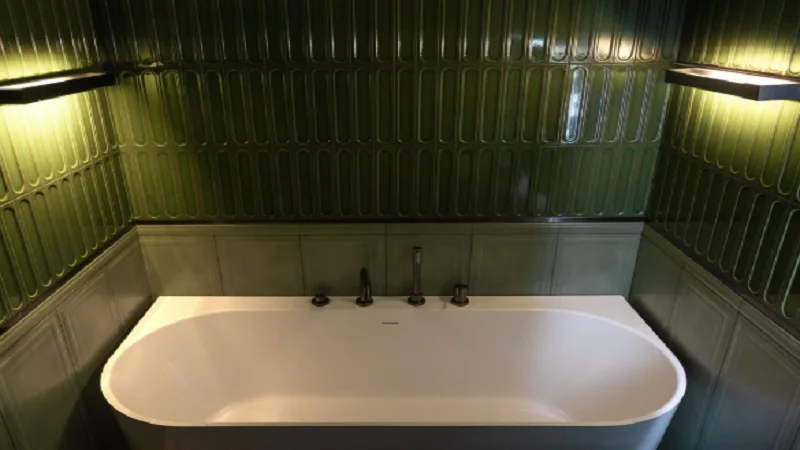
Bathrooms have evolved from purely functional spaces to personal sanctuaries where comfort, wellness, and design meet. Whether starting a full remodel or updating select features, choosing the right bathing fixture can influence daily routines, overall enjoyment of the space, and long‑term satisfaction with your home’s design. We will explore the key differences between traditional soaker tubs, modern walk‑in showers, and hybrid combinations so you can confidently decide what fits your lifestyle, family needs, and space constraints. From considerations of accessibility, aesthetics, maintenance, water usage, and long‑term home value, there’s more to the decision than simply liking one style over another.
How to Choose the Ideal Shower or Tub for Your Bathroom
- Evaluating Your Lifestyle and Bathroom Goals
When deciding between installs such as a soaker tub, walk‑in shower, or a tub/shower combination, begin with a clear understanding of your everyday needs and future adaptability. Families with young children often prioritize a traditional tub because it makes bathing their young children easier and safer. Individuals who value routine and quick mornings may lean toward a walk‑in shower, which allows for faster, more efficient use without the need to fill a basin with water. Consider how many people use the space daily, any mobility needs, and whether you plan to age in place. Consulting with First Choice Plumbing can help ensure your chosen fixture meets your practical needs while fitting seamlessly into your bathroom layout.
A walk‑in design offers easier entry and exit, reducing strain on joints and eliminating the need to step over high ledges. Meanwhile, a deep soaker tub appeals to those who appreciate longer, restorative baths that melt away stress after long days. Lifestyle also intersects with future planning; what works for a young family may not serve aging occupants down the road. Choosing a fixture that accommodates multiple life stages can mean fewer renovations later, saving both time and money.
- Understanding Space Limitations and Layout Efficiency
Bathroom size and existing layout dramatically influence what bathing solution will work without costly structural changes. In compact bathrooms, maximizing usable space is critical. A walk‑in shower often occupies less square footage while delivering a sleek, open feel that visually expands the room. Conversely, a classic tub demands a footprint that might crowd small areas unless creatively integrated into a corner or alcove. If square footage allows, some homeowners choose a combination unit—a tub with an overhead shower—that accommodates both preferences in one place.
Keep in mind that the plumbing location affects cost and ease of installation; relocating drains or water lines to fit a new fixture can add significant time and expense to your remodel. Strategic planning with accurate measurements ensures that your chosen design integrates smoothly with cabinetry, storage niches, lighting, and ventilation. Also consider the depth and slope of adjoining walls, as curb heights for showers and tub apron styles affect how adjacent vanities and cabinetry align. Evaluating space with both function and flow in mind helps ensure the bathing area fits comfortably within the overall room geometry without awkward transitions or wasted zones.
- Balancing Comfort, Design, and Daily Use
Beyond mere functionality, the sensory experience of your shower or tub plays a big role in daily life. A soaker tub invites long periods of relaxation in warm water that envelopes the body, making it ideal for evenings or wellness routines. These tubs come in various shapes—oval, rectangular, freestanding—each influencing how the tub visually anchors the room. In contrast, a walk‑in shower emphasizes ease of use and modern design with options like rain showerheads, hand‑held sprayers, and adjustable body jets. Glass enclosures, tile choices, and built‑in seating can elevate the experience from simple washing to a spa‑like retreat.
Consider finishes and materials that coordinate with the lighting and color scheme to create a cohesive atmosphere. Matte tiles and warm tones add a calming, intimate feel, while bright, glossy surfaces enhance brightness and perceived cleanliness. Additionally, think about storage needs; niches and shelves in a shower can eliminate clutter, keeping products within easy reach. Durability paired with aesthetics ensures that your bathing space remains inviting and practical, resisting daily wear and adapting to changing preferences over time.
- Maintenance Requirements and Long‑Term Upkeep
Every fixture demands care, but the level of maintenance influences long‑term satisfaction and workload. Tub installations, especially in large sizes, require regular cleaning of interior surfaces to prevent the buildup of soap scum and mineral deposits. Grout lines, faucets, and drains also need attention to maintain appearance and function. Walk‑in showers, particularly those with open designs or frameless glass, may showcase water spots and require frequent wiping to maintain clarity and shine. Tile selection affects cleaning frequency; textured tiles can add grip but may trap dirt more readily than smooth surfaces.
Consider finishes that withstand daily use and are easier to clean over time, such as engineered stone, solid surface bases, and high‑quality glass treated with water‑repellent coatings. Drainage design also impacts upkeep—proper sloping toward drains mitigates standing water and reduces mold risk. Accessibility features, such as seating and handheld sprayers, simplify cleaning hard‑to‑reach areas. Discuss care routines with a professional installer so you understand the steps that keep your new fixture in top condition. Longevity and ease of maintenance contribute to overall enjoyment and help protect your investment in the long run.
Bathrooms have become more than wash spaces; they reflect personal priorities and contribute to the overall quality of life in your home. Whether you choose a deep-soaking tub that invites moments of relaxation, a streamlined walk‑in shower that maximizes daily efficiency, or a combination that accommodates diverse needs, your decision shapes how you experience your space. Understanding the interplay between lifestyle, layout, maintenance, and cost ensures your choice supports both current routines and future possibilities. With careful planning and mindful selection of fixtures, finishes, and features, your bathroom can become a place of comfort, function, and lasting satisfaction.