
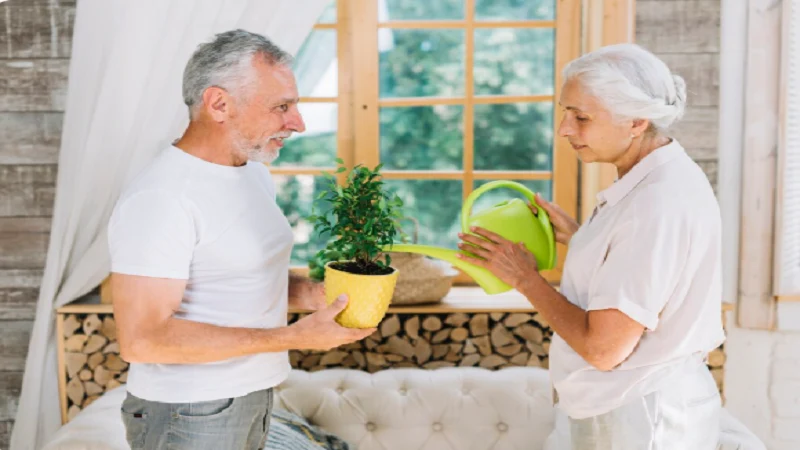
Aging in place used to bring one image to mind: practical furniture, safe layouts, and rooms that worked hard but looked a little flat. That picture is changing fast. People still want comfort and support, of course. But they also want beauty, warmth, and materials that feel rich and lived in. They want homes that help them move well and rest well without making the space feel clinical.
That shift matters more than it seems.
A chair is never just a chair when you use it every day. It becomes part of your routine, your recovery, your posture, even your mood. It holds you during long mornings with coffee, quiet afternoons with a book, and family visits that stretch into the evening. So when buyers start thinking about aging in place, they are not only thinking about safety rails or wider hallways. They are thinking about how daily life should feel five, ten, or fifteen years from now.
And honestly, that is where premium furniture starts to shine.
The Luxury Buyer Has Changed
Luxury used to lean hard on status. You saw it in glossy finishes, dramatic shapes, and pieces that looked impressive from across the room. Now the conversation feels more grounded. Buyers still care about craftsmanship and design, but they also ask practical questions. How does this seat support the lower back? Is it easy to stand up from? Will it still feel comfortable after an hour, not just five minutes in a showroom?
That is no less luxurious. It is more thoughtful.
Today’s premium buyer often shops with a longer timeline in mind. A couple furnishing a retirement home, an adult child helping parents update a living room, or a family planning a multigenerational setup all want furniture that ages well with them. They are not chasing a hospital look. They want elegant pieces that quietly do the hard work.
Comfort Is No Longer A Soft Extra
For years, comfort got treated like a bonus feature. Nice to have, but secondary to style. That logic is fading. Long-term comfort now sits near the top of the list, especially in seating.
That makes sense when you think about how people actually live. Many adults spend hours in the same chair each day. They read, stream shows, talk to family, recover from busy days, and sometimes manage aches they do not even mention out loud. A seat that supports circulation, reduces pressure points, and helps with posture becomes part of a wellness routine. Not in a flashy way. In a real-life way.
And when that support comes wrapped in refined leather and clean European design, the compromise disappears.
Why Seating Plays Such A Big Role In Aging In Place
Aging in place is often discussed through home design, but seating deserves its own spotlight. It affects how easily you sit down, how stable you feel when you rise, and how much strain your body absorbs throughout the day. Poor seating can make a room look polished while quietly making everyday life harder. Good seating does the opposite. It makes movement smoother and rest more restorative.
That is a big deal.
Even small details matter here. Seat height changes how much effort it takes to stand. Back angle affects spinal support. Lumbar shaping can reduce fatigue during longer periods of sitting. Armrests can provide leverage without screaming “assistive device.” These details may sound technical, but they translate into something very human: less effort, less discomfort, more ease.
The Right Chair Supports Independence
Here’s the thing. Many people want to preserve independence without announcing that they need help. They want furniture that works with the body, not against it, but they do not want their living room to look like a rehab space. That is a reasonable ask.
Thoughtful engineering answers that need in a quiet, dignified way. Reclining functions, ergonomic cushioning, back support, and easy movement features all help, but the best designs hide the mechanics inside beautiful form. The room still feels like home. It still reflects taste. It still feels personal.
That is why interest in pieces like Himolla at European Leather Gallery fits this moment so well. The appeal is not only that the furniture looks refined. It is that the design respects the body over time while still respecting the eye.
Leather Feels Different When It Is Meant To Last
People sometimes hear “leather” and think first about appearance. Rich tone. Soft texture. A polished finish. All true. But in the context of aging in place, leather offers something more layered.
Quality leather is durable. It holds up well with regular use. It can feel supportive without feeling stiff. It also develops character over time, which is part of its charm. A well-made leather chair does not just survive daily life. It settles into it. It becomes familiar in the best way.
There is also something emotional at work. Leather carries warmth and seriousness. It makes a space feel grown-up but not cold. In multigenerational homes, where furniture needs to work for older adults, visiting children, and everyone in between, that balance matters. You want one piece to serve many people without looking generic.
Wellness And Style Are Finally Working Together
For a long time, furniture fell into two camps. It either looked good or it felt supportive. You could have sculptural elegance or function-driven comfort, but getting both in the same piece often felt like wishful thinking.
Now that the gap is closing.
Wellness-driven buying is changing the furniture market from the inside out. Shoppers are reading product specs with more care. They are asking about pressure relief, recline options, ergonomic support, and durability. At the same time, they still care about silhouette, stitching, color, and material quality. They want the technical side, yes, but they also want a room that feels calm, elevated, and deeply lived in.
That mix of beauty and body awareness feels especially relevant right now, when more families are rethinking what home should do. Home is no longer just a place to display taste. It is also a place to sustain daily life.
A House That Hosts Well Usually Lives Well Too
Interestingly, the same qualities that make a home easier to age in place also make it more welcoming for gatherings. Rooms with generous seating, thoughtful flow, and comfort-forward furniture tend to work better for everyone. Older relatives feel at ease. Younger guests stay longer. The whole space feels less staged and more usable.
That idea shows up in event spaces, too. Places that balance charm with comfort often leave the strongest impression because they do not force people to choose between beauty and ease. You can see a version of that thinking in a well-designed Minneapolis wedding venue, where atmosphere matters, but so does how people move, gather, sit, and settle in over the course of a long day.
It may seem like a side note, but it really is not. Whether you are designing a home for long-term living or choosing a venue for a milestone event, comfort shapes memory. People remember how a place felt in their body just as much as how it looked in photos.
Multigenerational Homes Need Smarter Furniture
The rise of multigenerational living changes the furniture conversation too. A home may need to support older parents, working adults, teens, and guests all under one roof. That means the old idea of “formal furniture” starts to feel less useful. People need rooms that adapt.
A supportive leather recliner or ergonomic lounge chair can anchor that kind of room beautifully. It does not need to be tucked away in a private den like a medical necessity. It can sit proudly in the main living area because it brings together comfort, design, and practical use.
And that is the quiet genius of well-made furniture. It does not force a home into one identity. It lets the home do more.
The Best Design Solves Problems Before They Feel Like Problems
This is where thoughtful buying really pays off. The best aging-in-place choices often happen before there is a crisis. You do not wait until sitting becomes difficult to value proper support. You do not wait until fatigue becomes constant to appreciate a chair that distributes weight better. You plan earlier, and life feels smoother because of it.
There is nothing gloomy about that. In fact, it is optimistic. It says you expect your home to keep serving you well. It says style should stay with you, not disappear the moment comfort becomes more important.
Beautiful Living Should Age With You
Aging in place does not ask people to lower their standards. It asks them to redefine them.
A beautiful home should still feel beautiful when comfort becomes essential. A premium chair should still look elegant while making daily movement easier. A leather piece should still feel indulgent while doing the serious work of support. These are not opposing goals. They belong together.
That is why the new wave of luxury furniture feels more mature, in every sense of the word. It understands that real comfort is part of good design. It understands that the body changes, routines change, families change, and home should respond with grace.
And maybe that is the real upgrade. Not just leather. Not just engineering. Not just style. It is the idea that you can plan for longevity without losing softness, beauty, or pride in the space around you.
That is a better way to live now, and later too.