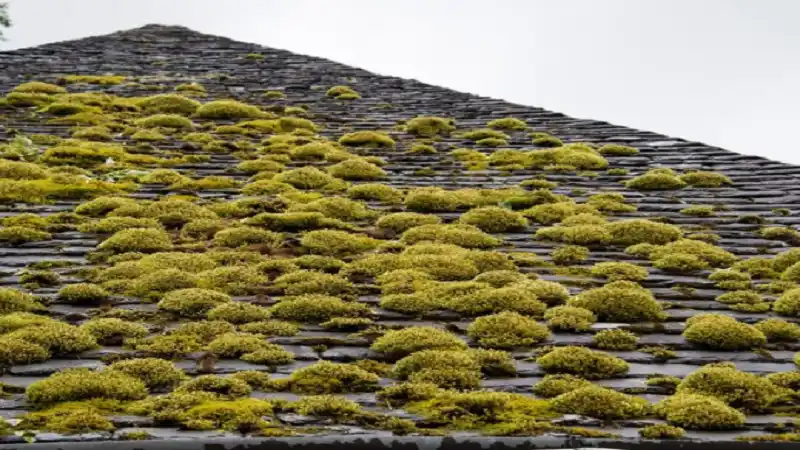
Moss usually starts on the part of the roof that gets the least sun. At first, it may only be a thin green patch along the edge of a few tiles. Leave it for a year or two and it can spread across a much larger area, particularly where trees keep the roof shaded and slow it from drying after rain.
If it has already spread across several rows of tiles, arranging roof cleaning in Melbourne is safer than climbing up with a pressure washer and having a go yourself. A wet roof is slippery, and moss becomes even more slippery once it has been disturbed.
Before any cleaning starts, the roof should be checked for cracked tiles, loose pointing, damaged flashing and areas where water may already be getting in. Cleaning a damaged roof without spotting these problems could send water through gaps that were previously hidden under the moss.
Work out what is actually growing there
Moss, lichen and algae are often grouped together, but they do not look or behave in quite the same way. Moss is usually soft, green and raised from the surface. Lichen tends to form flatter, crusty patches, while algae often appears as dark staining.
A few dark streaks on one shaded section are a different job from thick moss growing between tiles across the whole roof. Taking a few photos from the ground can help show how far it has spread before anyone goes up.
The roof material affects how it should be cleaned
Cement and terracotta tiles can often be pressure cleaned, but the pressure and technique need to suit the condition of the tiles. Blasting directly underneath the overlaps can force water where it should not go, while aggressive cleaning may damage an older or fragile surface.
Metal roofing needs a different approach. The existing coating, areas of corrosion and the condition of screws and seals should all be considered before cleaning starts. Using too much pressure or the wrong product may damage the finish or allow water through an area that already needs repair.
Once the moss has been removed, the roof is much easier to inspect properly. Broken tiles, worn pointing or small areas of corrosion that were covered before may now be visible and can be dealt with before they turn into leaks.
Do not forget the gutters
Moss and dirt washed from the roof have to end up somewhere. Gutters should be cleared during the job so the loosened material does not collect around outlets and block the downpipes during the next heavy rain.
Homes with a rainwater tank need a little extra planning. Downpipes connected to the tank should be diverted before cleaning begins, especially if a treatment or cleaning solution is being used. They should stay disconnected until the roof has been rinsed and any residue has been flushed away.
Make it harder for the moss to return
Cleaning removes the existing growth, but it does not change the conditions that allowed it to grow. Overhanging branches may need trimming to let more sunlight reach the roof and reduce the amount of leaf litter landing in the gutters.
Keep gutters and downpipes clear so water can leave the roof quickly. If a moss or lichen treatment is applied after cleaning, ask how long it needs to remain on the surface, whether it affects collected rainwater and when the tank connection can safely be restored. See More