
Have you ever sat in a restaurant and thought about how many things are happening behind the scenes?
Orders are being taken, food is being prepared, bills are being calculated, and staff members are coordinating with each other. Restaurants handle many daily tasks, and technology helps make these tasks more organized and smooth.
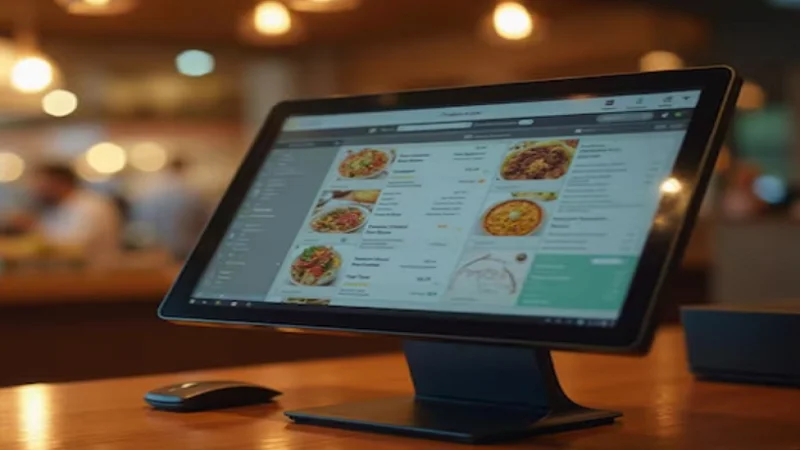
Restaurants today often use digital tools to support their operations. These tools help teams communicate better, manage orders efficiently, and keep service flowing in a comfortable rhythm. Systems like a cloud based pos help restaurants handle daily work in a structured way. From the front counter to the kitchen and even the drive-thru window, technology supports restaurant teams throughout the day.
Below are ten everyday situations where technology supports restaurants and helps them maintain smooth service.
1. Managing Multiple Orders At The Same Time
Restaurants receive orders from many places during busy hours. Customers may be dining inside, ordering takeout, or placing orders online.
Organized Order Entry
Technology allows staff to enter orders quickly into a digital system. Once entered, the order details move directly to the kitchen display. This helps the kitchen team see the information clearly and start preparing dishes right away.
Instead of repeating instructions many times, the digital system shows everything clearly. Staff can focus on serving customers while the kitchen team focuses on preparing food.
2. Keeping Kitchen Communication Clear
The kitchen is one of the busiest areas in any restaurant. Clear communication helps everyone stay organized.
Kitchen Display Coordination
Many restaurants use a kds system to show orders on a screen inside the kitchen. The screen displays the items, quantities, and special notes.
This simple method helps chefs and kitchen staff prepare meals in the correct order. When a dish is ready, the team can mark it as completed. This keeps the flow of work organized and easy to follow.
3. Managing Busy Service Hours
Lunch and dinner periods often bring many customers into a restaurant. Technology helps restaurants manage these busy hours with confidence.
Quick Order Handling
With digital ordering systems, staff can take orders directly from the counter or table using a screen. Orders reach the kitchen instantly, allowing food preparation to begin quickly.
This smooth process helps the restaurant maintain a steady pace during busy periods while keeping customers comfortable and satisfied.
4. Organizing Payments And Billing
Payment is one of the final steps in the restaurant experience. Technology helps make the payment process clear and organized.
Fast And Clear Transactions
Digital payment systems calculate the bill automatically. Staff can process payments using cards, mobile apps, or other digital payment methods.
The system records each transaction clearly. Receipts can be printed or shared digitally. This organized payment process helps both customers and staff complete the checkout step comfortably.
5. Handling Drive-Thru Orders Efficiently
Many quick-service restaurants offer drive-thru service for customers who prefer ordering from their vehicles.
Coordinated Drive-Thru Service
Restaurants that use a drive thru systems for restaurants can manage vehicle orders in an organized way. Staff can take orders through the drive-thru interface and send them directly to the kitchen.
The kitchen team receives the order instantly and begins preparing the food. This coordinated system helps maintain smooth service for customers arriving by car.
6. Keeping Menus Updated
Restaurant menus often include new dishes, seasonal items, or updated prices.
Digital Menu Updates
Technology allows restaurant managers to update menu items directly in the system. When a change is made, the updated menu appears on the ordering screen used by staff.
This digital process keeps menu information current and easy to manage. Staff always see the latest items when taking orders.
7. Tracking Daily Sales
Restaurant owners often like to review daily sales and understand which items customers prefer.
Organized Sales Reports
Digital systems automatically record every order placed during the day. Managers can review reports that show order totals and menu items that customers enjoy most.
This information helps restaurants plan their operations and understand customer preferences.
These reports help restaurant teams stay informed about their daily activity.
8. Supporting Staff Coordination
Restaurant teams include servers, kitchen staff, and managers. Technology helps everyone stay connected during service hours.
Shared Information System
When staff members use the same system, everyone can see the order details and service status. Servers know when dishes are ready, and kitchen staff know which orders are coming next.
This shared system keeps the workflow smooth and helps the entire team stay organized.
9. Managing Takeaway And Pickup Orders
Many restaurants receive takeaway orders from customers who prefer to pick up their meals.
Organized Pickup Process
Digital ordering systems allow restaurants to record pickup orders clearly. Staff can track the preparation time and keep the order ready when the customer arrives.
This organized approach helps customers receive their meals quickly and comfortably.
10. Creating A Better Dining Experience
Technology supports many parts of restaurant operations, which helps improve the overall dining experience.
Smooth Restaurant Workflow
When orders, kitchen communication, and payments are organized through digital systems, the entire restaurant workflow becomes smoother. Staff members can focus on hospitality and customer interaction.
Customers enjoy faster service, clear billing, and well-coordinated service from the restaurant team.
Final Thoughts
Restaurants handle many tasks throughout the day, from taking orders to preparing meals and managing payments. Technology helps bring these tasks together in an organized system that supports both staff and customers. Tools like digital ordering systems, kitchen displays, and drive-thru technology help restaurants maintain clear communication and smooth operations. When restaurants use technology in their daily work, the entire service process feels more organized, comfortable, and enjoyable for everyone involved.